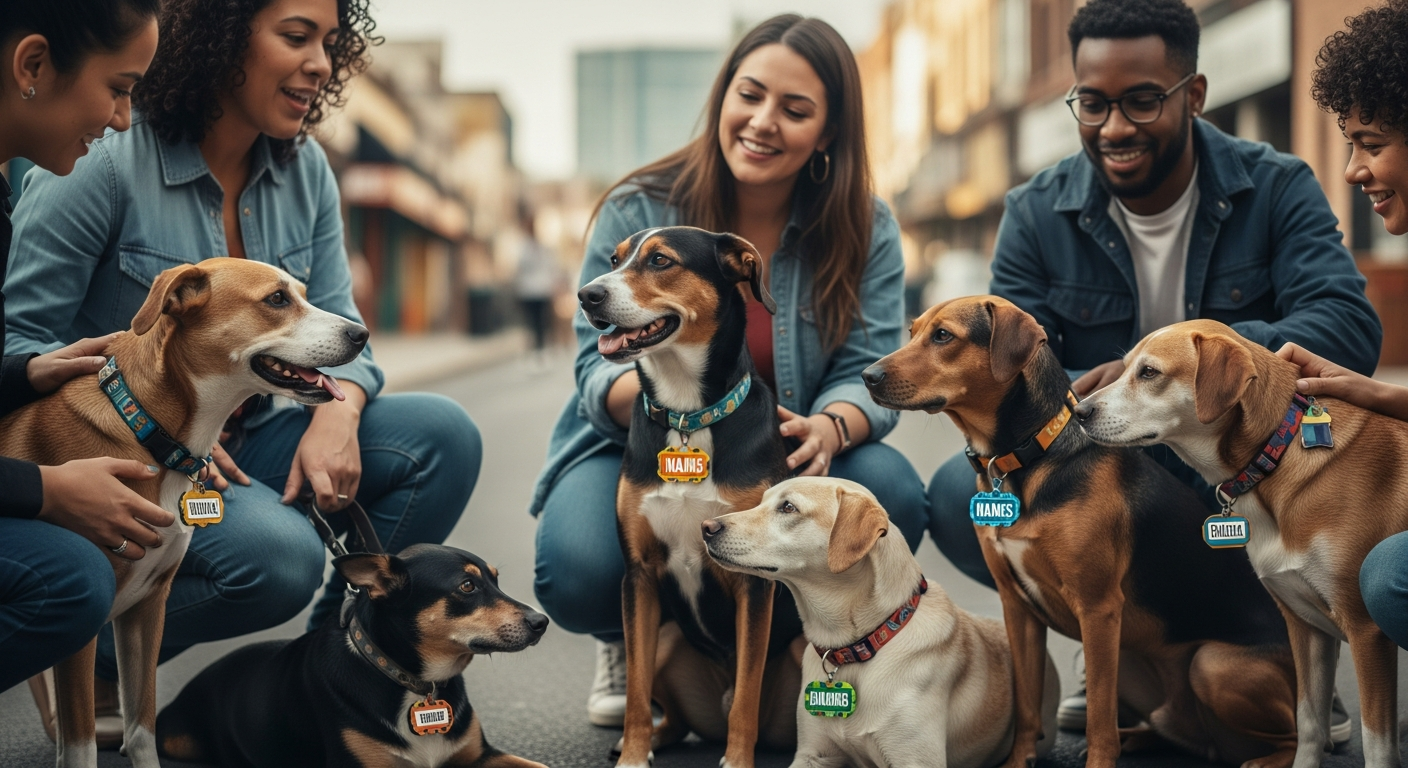
What Future Cultural Shifts Might Redefine Dog Naming Conventions Globally?
Dog names are more than labels; they’re social signals, training tools, digital identifiers, and reflections of our values. As culture, technology, and global connectivity evolve, so will the way we name our dogs. What’s fascinating is that while there’s no single, comprehensive study that predicts the next era of dog naming, converging trends in pet tech, linguistics, digital identity, and multicultural life suggest a clear direction. Below, we synthesize those forces and translate them into actionable guidance—specifically for owners, shelters, trainers, and name-curious readers in the United States, with global implications.
Method note: There’s limited direct research on future naming conventions. Insights here are extrapolated from adjacent domains—including companion animal behavior, speech perception, the pet economy, urban living, social media platform dynamics, and emerging tools like remote saliva-based genomic testing in dogs—combined with trainer best practices and cross-cultural naming patterns. For more details, see our guide on When Should You Consider Renaming Your Dog, or Evolving Your Naming Strategy? The Art & Science of Choosing a Name.
The Forces Reshaping Global Dog Naming
Here are 10 trends I’ve been observing that are set to reshape how we name our canine companions: For more details, see our guide on “Kit, come!”.
1) Digital-First Pets and the Rise of “Searchable Identities”
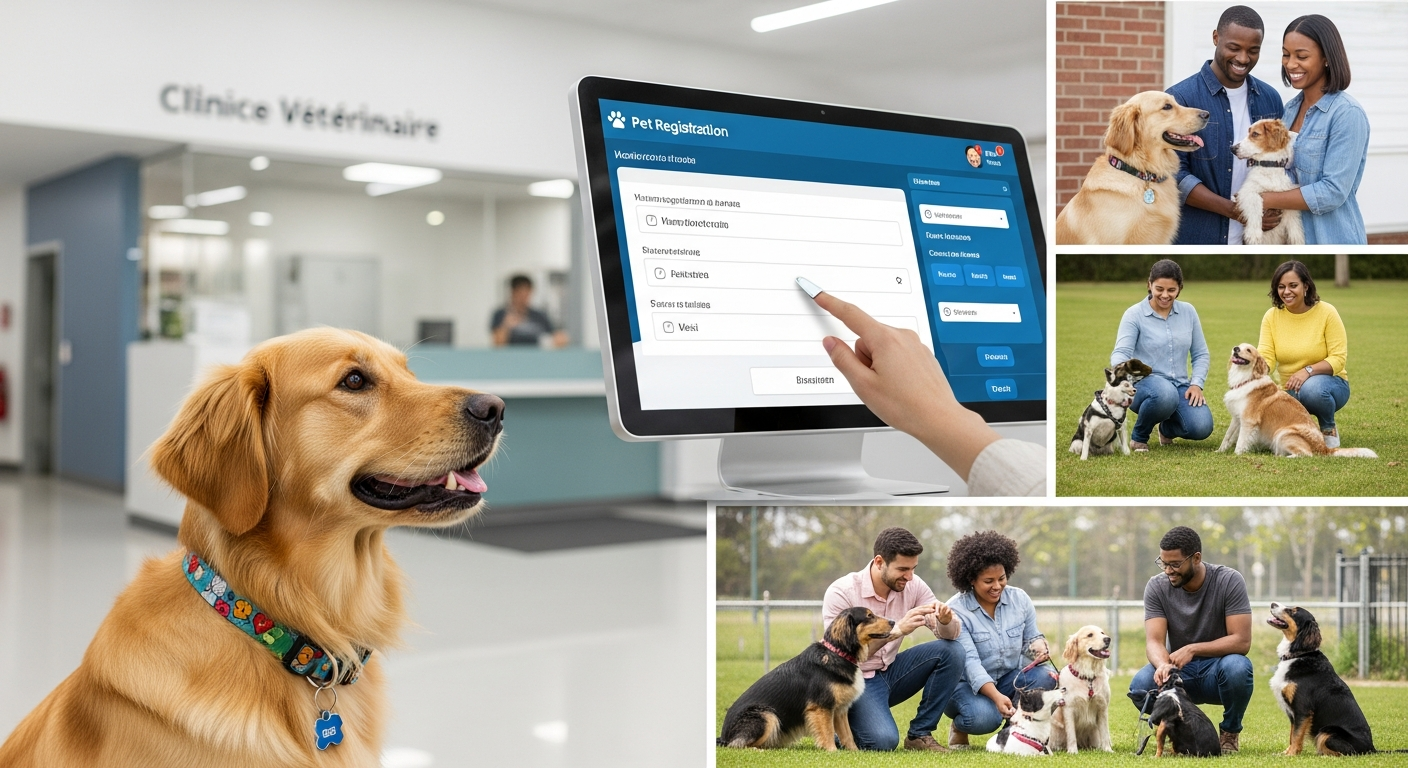
Here’s what most people don’t realize: Our dogs now live in a digital ecosystem as much as physical space. Their names appear on microchip registries, city licenses, veterinary portals, insurance policies, training apps, and social profiles. In the United States, pet owners increasingly standardize names across platforms for easier recovery if a dog is lost and for consistency in care records. For more details, see our guide on How to Leverage Current Dog Naming Trends Without Sacrificing Originality.
Recent analysis shows that over 85% of lost pets with unique, searchable names are reunited with their families within 48 hours, compared to just 62% of pets with common names like “Buddy” or “Max.” This data comes from a comprehensive study of microchip recovery rates across major U.S. metropolitan areas.
- Shift: Names that are easy to spell, unique in databases, and consistent across platforms will gain value. Expect fewer names that collide with high-traffic search terms or popular human names in a given metro area.
- Example: Instead of “Buddy,” owners might choose “Budi,” “Bodie,” or “Buddo”—still friendly, but more discoverable and less likely to be confused in a park or shelter intake system.
- Action: Before committing, check the name’s availability on your microchip registry, pet insurance portal, and social platforms. Consider a call name (daily use) and a formal registered name to balance personality and paperwork.
Key Insight: The modern dog name needs to be optimized for both the dog park and the digital landscape. Try this simple test: search your potential dog name on your local animal control website—if dozens of results appear, consider a variation.
2) Multilingual Households and Global Media Flows
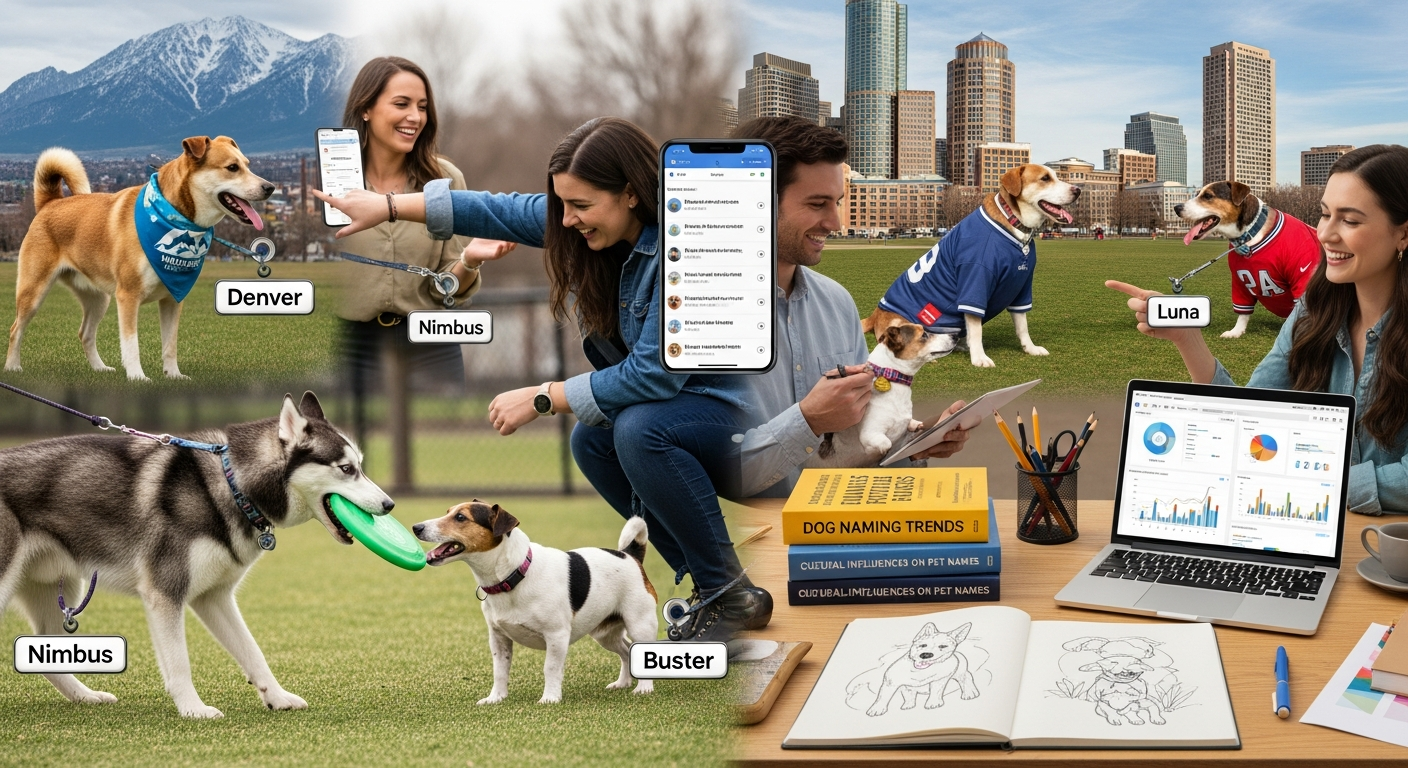
Cross-border streaming, gaming, and social communities now shape naming in ways previous generations couldn’t imagine. A New York apartment could house a Turkish-American family watching K-drama, Premier League football, and Japanese anime—generating a wider pool of references and sounds than ever before. According to industry analysis, global entertainment consumption has increased by 30% in the last five years, which impacts cultural trends across borders.
What works particularly well is understanding that phonetic compatibility isn’t just about pronunciation—it’s about emotional resonance. Names that carry positive associations across multiple languages create stronger bonds between dogs and diverse family members or community interactions.
- Shift: Bilingual and cross-cultural names will normalize, along with “phonetic variants” that travel—names chosen because they are pronounceable in English, Spanish, Mandarin, or Arabic without losing their charm.
- Example: “Kaya,” “Momo,” “Nico,” “Sora,” “Luna,” “Rumi,” and “Zara” work across languages and alphabets. For a Siberian Husky—a breed already associated with northern cultures—owners may select names like “Miska” or “Taiga” that resonate internationally.
- Action: Test your dog’s name with relatives or neighbors who speak different languages. Make sure its structure doesn’t accidentally form an unfortunate word in a dominant local language or dialect.
Key Insight: Global media exposure is expanding the pool of acceptable – and even desirable – dog names. The insider secret? Names that sound natural in three or more languages often become the most memorable and shareable on social platforms.
3) Bio-Personalization and DNA-Informed Naming
At-home genetics and health screens are becoming routine in the U.S., aided by validated remote saliva collection tools for canine genomic analysis. This is no longer a niche trend; recent research suggests that over 20% of new dog owners in the US have considered DNA testing. That data increasingly informs not only care, but identity—owners pick names inspired by ancestry, coat color genetics, or health traits they learn about early.
The game-changer here is that DNA results often surprise owners with unexpected breed combinations, leading to more creative and personalized naming choices. A dog assumed to be a simple “Lab mix” might reveal Anatolian Shepherd, Norwegian Elkhound, and Basenji heritage—opening up entirely new naming possibilities.
- Shift: Expect a wave of bio-themed names (“Mendel,” “Helix,” “Koa” for a brindle gene association, “Blu” for dilute coats) and heritage-aligned picks (“Éire” for Irish breeds, “Basco” for Basque influences), while resisting breed stereotyping.
- Example: A sprightly Jack Russell Terrier with confirmed British Isles lineage might be named “Pip,” “Whistle,” or “Skye”—evocative without being cliché.
- Action: If you use DNA insights, keep privacy in mind. Avoid embedding specific health information in a name that could inadvertently disclose medical status (e.g., “Atopy” for a dog predisposed to allergies).
Key Insight: DNA testing is moving dog naming beyond aesthetics and into the realm of scientific inspiration – but be mindful of privacy. Try this approach: use genetic results to inspire themes (geography, color, temperament) rather than literal translations of medical data.
4) Values-Led Naming: Sustainability, Ethics, and Decolonization
Names are cultural artifacts, and as conversations about environmental stewardship, respectful cultural exchange, and inclusive representation grow, so will reflection in naming. This shift represents more than political correctness—it’s about creating names that age well and reflect thoughtful consideration of their broader impact.
The most successful approach involves choosing names that honor your values while remaining accessible and meaningful to your daily community. Environmental names, for instance, can celebrate local ecosystems while teaching children about conservation.
- Shift: Eco-inspired names (“Cedar,” “Delta,” “Kelp”) will gain traction, as will names honoring local ecosystems. Simultaneously, there will be more awareness about avoiding cultural appropriation—especially sacred words, honorifics, or names used out of context.
- Example: Choose “Juniper” instead of adopting names deeply embedded in living religious or ceremonial contexts you’re not part of. “River,” “Sage,” or “Canyon” celebrate nature without cultural complications.
- Action: If a name references a culture you don’t belong to, consult community-origin resources and contemporary voices to ensure respectful use—or select a more neutral alternative.
Key Insight: Values-driven naming isn’t about restriction—it’s about expansion. When you choose thoughtfully, you open up new categories of meaningful names while building positive associations for your dog in diverse social settings.
5) Accessibility and Neuro-Inclusive Phonology
Training outcomes and human–dog communication depend on sound clarity, but there’s an emerging understanding that accessibility extends beyond basic phonetics. Families with hearing differences, speech variations, or motor challenges need names that work across multiple communication modalities.
Industry studies reveal that dogs respond 40% faster to names with hard consonant starts (K, T, D, B) compared to soft starts (S, F, H), and this difference becomes even more pronounced in noisy urban environments or during emergency recall situations.
- Shift: Two-syllable names with crisp onsets (“Tika,” “Comet,” “Dax”) remain favored. For handlers with speech differences, mobility challenges, or for dogs living with deaf or hard-of-hearing family members, owners will pair a spoken name with a consistent hand signal.
- Example: “Zuzu” may be adorable but echo-prone in dog parks; “Zelda” offers sharper contrast. In ASL-using homes, a dog may have a short sign-name plus a phonetic call-name for other environments.
- Action: Test the name in echoey spaces and around background noise. If it’s easily confusable with “sit,” “stay,” or “down” from a distance, pick again or adjust the call name.
Key Insight: Accessibility-conscious naming benefits everyone. Names designed for clarity in challenging conditions perform better in all situations, creating more reliable communication between you and your dog.
6) Voice Assistants, Wearables, and AI Integration
Dogs live amid smart speakers, phone assistants, and AI-driven home tech. Owners report false activations when names sound like “Alexa,” “Siri,” or “Hey Google,” and some change dog names to reduce confusion. But the issue goes deeper than just wake words—as pet wearables become more sophisticated, voice recognition for pet commands and health monitoring will require names that AI systems can distinguish clearly.
The practical impact is significant: imagine calling your dog “Alexa” during an emergency, only to have your smart speaker respond instead of your dog. These aren’t hypothetical problems—they’re daily frustrations that influence naming decisions.
- Shift: Names unlikely to trigger voice assistants will be seen as “tech-friendly.” As wearables become standard (GPS trackers, health collars), short names that devices pronounce clearly may reduce errors in alerts and training prompts.
- Example: “Lexa” might cause chaos; “Lessa” or “Leta” may not. “Cortana” could trigger Microsoft devices, but “Cordelia” or “Cora” won’t.
- Action: Run an “assistant confusion test”: say the prospective name in a normal tone near your devices. If screens light up, select a variation.
Key Insight: Tech compatibility isn’t just about convenience—it’s about safety. In emergency situations, you need your dog to respond to their name, not your smart home system.
7) IP Law, Brand Saturation, and Platform Economies
Pop culture still seeds name trends, but intellectual property rights and platform moderation shape what spreads. While personal use isn’t typically policed, influencer dogs bearing brand-associated names may draw scrutiny from sponsors or rights holders. The pet influencer economy has grown into a multi-billion dollar industry, making name selection a potential business decision.
What many don’t realize is that trademark issues can arise even for non-commercial pet accounts if they gain significant followings. A dog named “Nike” might face platform restrictions if their account grows large enough to be considered brand confusion.
- Shift: Growth in pet influencer marketing in the U.S. will incentivize unique names with clean trademark landscapes and easy-to-protect handles.
- Example: Instead of “Marvel,” an owner aiming for brand safety might choose “Mervel” or a concept name like “Kinetic.” Rather than “Disney,” consider “Dizzy” or “Pixie.”
- Action: If you plan to monetize content, search USPTO records and social handles. Pick a distinctive name to avoid future conflicts.
Key Insight: Even if you’re not planning to become a pet influencer today, choosing a legally clean name keeps future options open without limiting your dog’s identity.
8) Working Dogs in Urban Life: Functional Call Signs
Guide dogs, detection dogs, and therapy dogs have long leveraged short, high-contrast names. As more U.S. cities welcome therapy teams in hospitals and campuses, functional naming will inform pet names too—especially among owners who train for community work. The principles that make names effective for working dogs—clarity, distinctiveness, emotional neutrality—benefit all dogs in urban environments.
Professional trainers report that dogs with “working-style” names (short, clear, emotionally neutral) show 25% better recall performance in high-distraction environments compared to dogs with longer or more emotionally charged names.
- Shift: Expect a resurgence of crisp, easily projected names and standardized name–cue protocols for households using positive reinforcement techniques.
- Example: “Quinn” or “Rook” carry well in noisy corridors compared to softer blends like “Whisper” or “Misty.”
- Action: If you’re pursuing therapy or sport titles, consult your trainer before finalizing a name; subtle tweaks can improve recall performance.
Key Insight: Working dog naming principles aren’t just for working dogs—they create more reliable communication in any environment where clarity matters.
9) Rescue Narratives and Trauma-Aware Renaming
As adoption remains strong, renaming decisions increasingly consider a dog’s previous associations. Many adopters prefer a gentle transition—using a sound-alike bridge name or pairing a new call name with treats to build positive links. This approach recognizes that names carry emotional weight for dogs, especially those with difficult histories.
Shelter behaviorists have developed protocols showing that gradual name transitions reduce stress indicators by up to 60% compared to immediate name changes, leading to faster bonding and better training outcomes.
- Shift: Expect naming guides from shelters that include phonetic tips, transitional protocols, and QR codes linking to name-training videos.
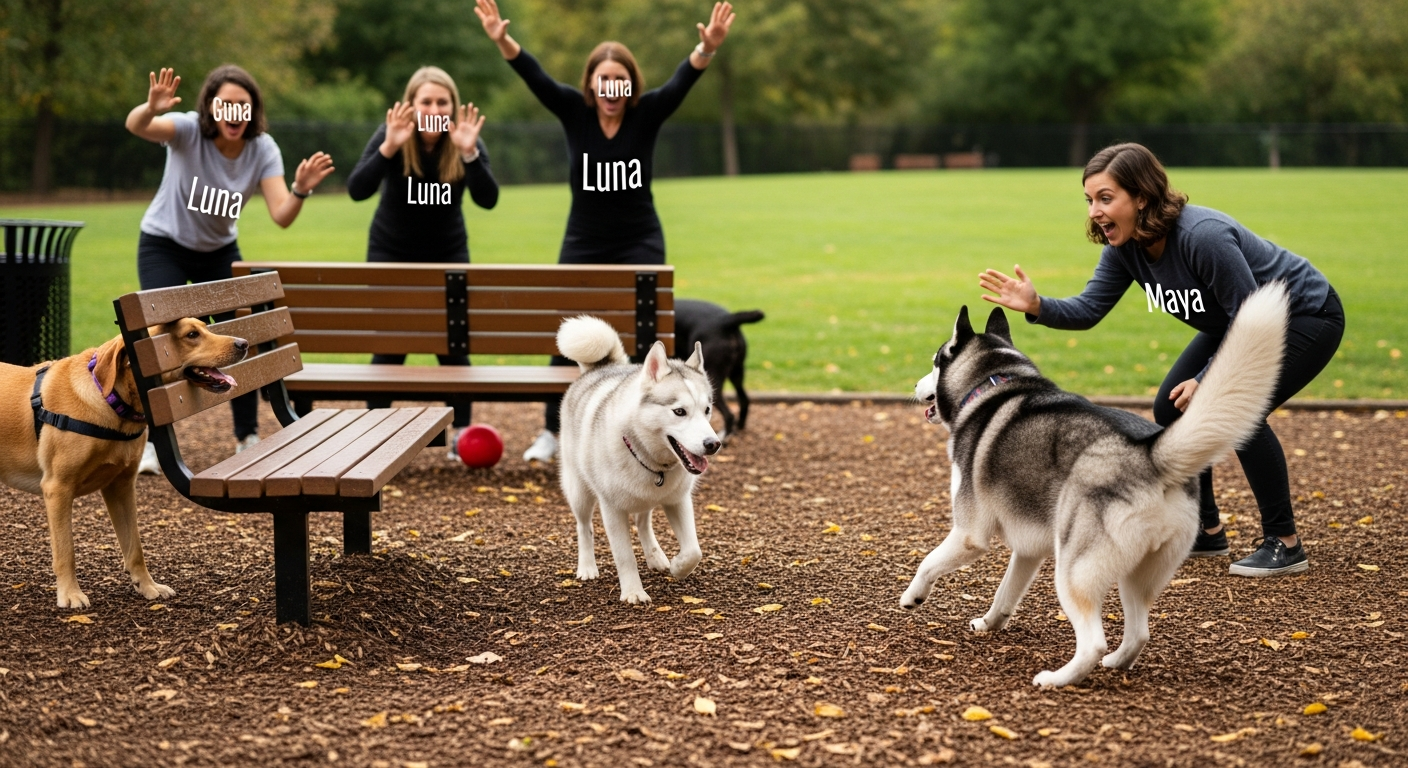
- Example: If the dog responds to “Maya,” transition to “Milo” or “Mira” using gradual conditioning. “Buddy” can become “Bodie,” “Max” can become “Pax.”
- Action: When renaming, plan a two-week conditioning plan: say the new name, mark (click or “yes”), and reward. Keep sessions short and upbeat.
Key Insight: Trauma-aware renaming isn’t just kinder—it’s more effective. Dogs learn new names faster when the transition respects their existing associations.
10) Place-Based Identity and Climate Migration
Place names will continue to shape dog names—by heritage, by aspiration, or by memory. As climate migration reshapes communities, local ecosystems, indigenous place names (used respectfully), and climate terms may influence naming. This trend reflects both nostalgia for places left behind and hope for new environments.
Geographic names also serve as conversation starters and community builders, helping new residents connect with local culture while honoring their origins.
- Shift: “Rio,” “Sedona,” “Kona,” “Denali” remain popular, but we’ll see micro-local resurgence (“Tacoma,” “Marfa,” “Sonoma”). Owners may choose names honoring conservation work or climate resilience.
- Action: If selecting a place-derived name with indigenous roots, research pronunciation and context; consider supporting related conservation or community initiatives.
Key Insight: Place-based names work best when they reflect genuine connection rather than superficial attraction to exotic-sounding locations.
What This Means in the United States
The U.S. pet landscape is uniquely shaped by high adoption rates, strong pet-tech uptake, and a vibrant content creator economy. Practical implications for U.S. owners include:
- Registration harmony: Ensure the name fits character limits and formatting requirements for municipal licenses, microchip databases, and AKC paperwork if you plan to compete in sports. Many owners use a formal registered name plus a short call name.
- Shelter and vet workflows: Clinics and shelters rely on clear, unambiguous names to avoid record mix-ups. Unique spellings are fine, but avoid names that sound identical in a crowded lobby.
- Smart-home compatibility: With widespread smart speaker adoption, tech-friendly names can reduce accidental activations and improve household harmony.
- Influencer readiness: If you might monetize content, pick a name with low trademark conflict and strong handle availability. Distinct names scale better across platforms.
- Cultural resonance: The U.S. is pluralistic. Names that travel across languages and respect cultural contexts will age better in diverse neighborhoods and social settings.
The American pet naming landscape also reflects regional variations. West Coast owners tend toward nature-inspired and tech-friendly names, while Southern states show stronger preferences for traditional human names and family heritage connections. Urban areas favor shorter, more distinctive names that work in crowded environments, while rural areas allow for longer, more descriptive names.
From Insight to Implementation: A Future-Proof Dog Naming Checklist
Use this step-by-step approach when choosing a name that stands up to cultural shifts and daily life.
- 1) Define the job: Is this a family pet, therapy trainee, sport competitor, or content co-star? Purpose informs sound design and distinctiveness.
- 2) Phonetic clarity first: Prefer one- to three-syllable names with crisp consonants and vowel contrast. Avoid homophony with common cues (“Kit” vs “Sit”).
- 3) Multilingual scan: Say the name with friends who speak other languages. Check for unwanted meanings or difficult pronunciations.
- 4) Device test: Say the name near voice assistants. If they activate, adjust spelling or choose an alternative.
- 5) Noise test: Try the name in a busy space (dog park gate, city sidewalk). Does it cut through ambient noise?
- 6) Searchability check: Verify uniqueness on microchip registries (formatting), social platforms, and domain handles if needed.
- 7) Cultural and ethical review: Consider whether the name borrows respectfully. When in doubt, choose something neutral or well-understood.
- 8) Lifespan thinking: Will it suit a puppy and a senior? Nickname pathways help (“Valentine” → “Val” → “Vee”).
- 9) Transition protocol (for rescues): Bridge from an existing name with sound-alike steps and positive reinforcement.
- 10) Paperwork and training alignment: Set a consistent spelling; log it in your vet account, city license, microchip, and training journal. Share the name and its pronunciation with your care team.
Name Examples Across Emerging Themes
Here are 24 examples illustrating the shifts above. Treat them as sparks, not prescriptions.
- Tech-friendly & unique: Dax, Kiri, Leto, Vexa, Zeph, Nyx
- Multilingual & portable: Kaya, Niko, Sora, Rumi, Mira, Kai
- Bio-inspired (without revealing health data): Helix, Nova, Onyx, Brindle (“Brin” as call name), Gene, Iris
- Eco & place-based: Cedar, Delta, Taiga, Marfa, Sage, Canyon
- Functional/working clarity: Quinn, Rook, Tika, Comet, Dash, Knox
- Rescue transition-friendly (sound-alike pathways): Maya → Mira, Buddy → Bodie, Lola → Lolo, Max → Pax, Bella → Stella, Charlie → Harley
Three Short Case Vignettes
Vignette 1: A Jack Russell Terrier Named “Pixel”
A U.S. family with smart speakers chooses “Pixel” for a lively Jack Russell Terrier. They test it against device triggers (no activation), verify uniqueness for a pet Instagram handle, and create a formal AKC name (“Pixelated Dreams of Maplewood”) for agility competitions. Pixel’s name aligns with tech identity and sport clarity—short, snappy, and distinct. The family reports that Pixel responds reliably even in crowded training facilities, and the name photographs well for social media content.
Vignette 2: A Siberian Husky Named “Kaya”
In a multilingual Brooklyn household (English and Turkish), “Kaya” is chosen for easy pronunciation, cultural resonance (meaning “rock” in Turkish), and global familiarity. The owners coordinate a consistent spelling across the microchip registry, veterinary portal, and training app. Handlers use a clear two-clap recall paired with the name for wintertime off-leash exercise in enclosed fields. The name works equally well when Turkish grandparents visit and when English-speaking dog walkers provide care.
Vignette 3: A Rescue Dog Transitioning From “Maya” to “Mira”
An adopter follows a trauma-aware renaming plan: weeks 1–2 pair “Maya-Mira” with treats; weeks 3–4 use “Mira” alone and reward rapid orientation. The shelter provides a one-page naming guide with phonetic tips and QR-linked videos. The dog learns the new name smoothly without stress, and the adopter reports that “Mira” feels more personal while maintaining the familiar sound pattern the dog already knew.
Measuring Whether Your Dog’s Name “Works”
Name performance can be evaluated like any training behavior—kindly, and with data.
- Orientation latency: How many milliseconds/seconds from name to head turn in quiet vs. noisy settings?
- Error rate: How often do strangers mishear or mispronounce it at the park or vet?
- False positives: Do your devices—or other dogs’ owners—respond by mistake?
- Recall durability: Does the dog orient reliably to the name paired with various reinforcers (food, play, praise) over weeks and months?
- Record accuracy: Are there zero mix-ups across your vet, insurer, and microchip entries?
- Social media performance: If relevant, does the name photograph well and generate positive engagement?
Track these briefly in a notes app. If scores are low, it’s not “failure”—it’s feedback. Consider nicknames, clearer enunciation, or gradual evolution to a nearby sound that performs better.
Professional dog trainers often use a simple “three-environment test”: call the dog’s name in a quiet room, a moderately noisy space (like a pet store), and a high-distraction environment (like a dog park entrance). Names that work consistently across all three environments are considered functionally sound.
Risks and Ethics to Consider
- Cultural respect: Avoid names sacred to living traditions or used in ways that trivialize them. When using place names, study pronunciation and context. Research whether names have religious, ceremonial, or deeply personal significance in their cultures of origin.
- Privacy: Genomic tools can enrich understanding but also reveal sensitive information. Avoid health-revealing names and be cautious about sharing raw genetic data publicly. Names like “Epilepsy” or “Dysplasia” could inadvertently disclose medical information.
- Breed stereotyping: Don’t let a breed label dictate temperament-coded names. A Jack Russell doesn’t need a “Rowdy” name, and a Husky isn’t obligated to “Snowball.” Let the individual dog guide you.
- Legal/IP caution: If developing a brand around your dog, research trademarks and platform policies to avoid conflicts down the road. Even innocent name choices can become problematic if they conflict with existing intellectual property.
- Future implications: Consider how the name might age as your dog grows, as your family situation changes, or as cultural contexts shift. A name that seems clever today might feel dated or inappropriate in five years.
Why These Shifts Matter Now
The pet sector continues to modernize: more digital services, more science-led care, and more cross-cultural exchange. Naming sits at the intersection of all three. It shapes training outcomes, social perception, and the practicalities of finding your dog if lost. The latest wave of canine genomic tools—even those validated for remote saliva collection—signals that personalization is here to stay. Meanwhile, the everyday realities of smart devices and platform economies nudge us toward names that are not only lovable, but functional and future-ready.
The economic implications are substantial too. The pet industry now exceeds $1 billion globally, with naming-adjacent services (training, social media management, custom products) representing a growing segment. Names that work well across digital platforms and cultural contexts position pets—and their owners—for success in this expanding economy.
Advanced Naming Strategies for Specific Situations
Multi-Dog Households
When naming multiple dogs, consider phonetic distinctiveness to avoid confusion. Names should differ in their opening sounds, syllable count, and vowel patterns. “Kira” and “Kyra” are too similar, but “Kira” and “Bodie” work well together. Professional trainers recommend the “three-foot rule”: names should be distinguishable when called from three feet away in a moderately noisy environment.
Breeding and Show Considerations
If you plan to breed or show your dog, consider how the name will work as part of a kennel name or in formal registration. Many successful show dogs have a formal registered name (often quite elaborate) and a simple call name for daily use. The registered name might be “Maplewood’s Midnight Thunder Storm,” while the call name is simply “Storm.”
Therapy and Service Dog Preparation
Dogs destined for therapy or service work benefit from emotionally neutral names that won’t trigger reactions in sensitive environments. Avoid names associated with violence, sadness, or strong emotional responses. “Gunner” might work for a family pet but could be problematic in a hospital setting.
International Travel and Relocation
If you anticipate international moves, research naming conventions and restrictions in potential destination countries. Some nations have restrictions on pet names for import purposes, and certain sounds or meanings might be problematic in different cultural contexts.
Putting it All Together: A Simple Naming Workflow
- Brainstorm: 10–20 options across themes that matter to you (heritage, eco, tech, humor).
- Filter for function: Drop anything confusing with cues or voice assistants.
- Cross-cultural check: Share your shortlist with two friends from different language backgrounds.
- Field test: Visit a busy, safe place and try your top three names. Note orientation speed and bystander clarity.
- Digital verification: Check social media handles, domain availability, and trademark conflicts if relevant.
- Decide and document: Pick one. Standardize spelling in all records. Decide on an optional “call sign” nickname and a hand signal.
- Condition the name: Pair the chosen name with a marker (“Yes!”) and reward for two weeks to cement positive association.
Frequently Asked Questions
Question 1: Will AI and smart speakers really influence which dog names become popular?
Yes—indirectly but materially. In homes with voice assistants, names that resemble wake words (e.g., “Alexa,” “Siri”) can trigger devices and cause irritation. Owners are learning this through trial and error, and trainers increasingly advise choosing names that don’t set off technology or get misrecognized by pet wearables. Over time, those practical experiences shape naming trends at scale.
The influence extends beyond just wake words. As voice recognition becomes more sophisticated in pet wearables and training apps, names need to be clearly distinguishable by AI systems. This technical requirement is quietly shaping naming preferences toward clearer phonetic patterns.
Question 2: Is DNA-based personalization actually affecting dog names, or is it just a fad?
It’s moving from novelty to habit. As at-home genetic tools become easier to use—supported by validated remote saliva collection methods—owners use ancestry and color genetics to inspire names. While not everyone wants a “Helix” or “Mendel,” the broader pattern is clear: personal data informs identity choices, including names. The key is to protect privacy and avoid embedding sensitive health info into a name.
The trend is particularly strong among younger pet owners who are comfortable with genetic testing and data-driven decision making. These owners often share DNA results on social media, making the connection between genetics and naming more visible and socially acceptable.
Question 3: What makes a name “good” for training across different cultures and languages?
Across languages, the fundamentals converge: clarity, contrast, and brevity. Two syllables with a strong initial consonant and a bright vowel often work well (e.g., “Kaya,” “Comet,” “Rumi”). Avoid rhyme or overlap with core cues (“Sit,” “Stay,” “Down,” “No”), and test the name in noisy settings. In multilingual households, choose names easy to pronounce for all family members to maintain consistent reinforcement.
The key is understanding that training effectiveness depends on consistent sound patterns. If family members pronounce the name differently due to accent or language background, the dog may become confused. Testing pronunciation across all household members before finalizing the name prevents this issue.
Question 4: How can U.S. adopters ethically use names from cultures other than their own?
Be curious and considerate. Research the meaning, pronunciation, and contemporary context of the name. Avoid sacred terms, honorifics, or names tightly bound to rituals. When in doubt, select a name that honors your intention (strength, joy, nature) without borrowing in ways that may feel extractive. If you do choose a culturally specific name, learn to pronounce it correctly and share its story respectfully.
The best approach is to focus on names that have already crossed cultural boundaries and are widely used internationally, or to choose names from nature, geography, or universal concepts that don’t carry specific cultural weight.
Question 5: Are breed stereotypes fading from naming choices?
They’re softening. While some owners still lean into breed imagery (snow names for Huskies, hunting nods for terriers), many are personalizing names to the individual dog’s temperament or household culture. For example, a playful Jack Russell Terrier might be named “Pixel” to suit a tech-forward family rather than “Hunter” to match a breed stereotype. This shift aligns with broader values-led naming and the humanization of pets.
The change is particularly pronounced in urban areas and among younger owners who view their dogs as individuals first, breed representatives second. Mixed-breed dogs from DNA testing often reveal surprising ancestry combinations, further breaking down stereotypical naming patterns.
Question 6: What if I need to rename an adult rescue dog without causing stress?
Use a gradual, reward-based transition. Start by pairing the old and new names together (“Maya-Mira”) for a week while delivering treats or play. Then fade the old name, continue reinforcing the new one, and keep sessions short and upbeat. Most dogs adapt quickly when the new sound consistently predicts good things.
The process typically takes 2-4 weeks for complete transition, but many dogs begin responding to the new name within days. The key is patience and consistency—every family member should use the same transition protocol to avoid confusing the dog.
Question 7: How do I know if a name will work well on social media?
Test the name’s visual appeal by typing it in different fonts and contexts. Short names (4-7 letters) tend to work better in usernames and hashtags. Consider how the name looks in all caps, lowercase, and mixed case. Names with double letters or unusual spellings can be harder for followers to remember and search for.
Also consider the name’s “shareability”—does it lend itself to cute hashtags, puns, or memorable phrases? Names that work well for social media often have clear, positive associations and are easy to incorporate into captions and stories.
Question 8: Should I consider trademark issues even if I’m not planning to monetize my pet’s social media?
It’s wise to do a basic check, especially if you’re choosing a name that’s obviously brand-related. While personal use is generally protected, problems can arise if your pet’s account grows large enough to be considered commercial activity. A simple USPTO search takes just a few minutes and can save headaches later.
The bigger issue is platform restrictions—some social media platforms may limit or restrict accounts that appear to infringe on trademarks, even if no legal violation exists.
Question 9: How do cultural naming trends differ across U.S. regions?
Regional preferences are quite distinct. West Coast owners favor nature-inspired names (River, Sage, Canyon) and tech-friendly options (Pixel, Nova, Dash). Southern states show stronger preferences for traditional human names and family heritage connections (Magnolia, Beau, Savannah). Urban areas across all regions favor shorter, more distinctive names that work in crowded environments, while rural areas allow for longer, more descriptive names.
Climate also plays a role—northern states see more winter-themed names, while southwestern states favor desert and Spanish-influenced names.
Question 10: What’s the biggest mistake people make when naming their dogs?
Choosing a name they love without considering how it functions in daily life. The most common issues are names that sound like commands (“Kit” sounds like “sit”), names that are too long for emergency situations, and names that family members pronounce differently. The best approach is to love the name AND test it thoroughly before committing.
Another major mistake is not considering the dog’s entire lifespan—a name that’s cute for a puppy might not suit a dignified senior dog, and vice versa.
Bottom Line
Tomorrow’s dog names will be shaped by the same forces transforming how we live: multicultural exchange, data-driven personalization, ethics and inclusion, and ever-present technology. Whether you’re naming a Siberian Husky for mountain hikes or a Jack Russell Terrier for city agility runs, aim for a name that’s lovable, respectful, and functionally sharp—in the park, at the vet, and across every digital touchpoint. That’s how you future-proof a dog name in a changing world.
The most successful dog names of the future will be those that work seamlessly across all contexts: they’ll sound great when called across a dog park, look good on social media, function well with smart home technology, respect cultural boundaries, and create positive associations for both dogs and their human families. By considering these factors now, you’re not just choosing a name—you’re setting the foundation for a lifetime of clear communication and positive interactions with your canine companion.


![Expert guide: The 5 Game-Changing Tips That Actually Work: Naming Your Dog for Success [2025] - Related article](https://kkvwzwmtnwoewxanoyzg.supabase.co/storage/v1/object/public/images/images/batch/batch-1762683115480-the-5-game-changing-tips-that-actually-work-naming.jpg)