What Naming Missteps Should You Avoid When Considering Breed-Specific Traits or Personality?
Choosing the right dog name feels simple—until you realize how much a name can shape first impressions, training success, and even housing conversations in the United States. When breed-specific traits or personality are part of your decision, the stakes go up. What’s interesting is that recent large-scale research from U.S. universities and citizen-science projects shows that breed alone explains roughly 9% of individual personality differences in dogs, with genetics overall accounting for about 25%. That means the majority of your dog’s behavior and temperament will be shaped by environment, training, and unique experiences. In other words: names that rigidly reflect breed stereotypes often miss the mark.
In the naming field, especially within the niche of dog names, three missteps consistently derail good intentions: overgeneralizing breed traits, reinforcing stereotypes (especially negative or aggressive ones), and ignoring individual variation. This article unpacks those pitfalls and more, then offers a practical framework to create a name that fits your dog—not a stereotype—while working beautifully in daily U.S. life, from the dog park to the vet’s office. For more details, see our guide on “Kit, come!”.
The Science: Breed Is Not Destiny (So Don’t Name Like It Is)
Conventional wisdom suggests a Jack Russell Terrier is always a turbo-charged hunter and a Siberian Husky is always an aloof sledder. Reality is messier—and more interesting. A comprehensive 2022 study published in Science analyzed over 18,000 dogs and their owners’ behavioral surveys, finding that breed accounts for a surprisingly small slice of behavioral variation. The research, led by Kathleen Morrill at the University of Massachusetts Chan Medical School, revealed that while certain traits like howling in huskies or pointing in retrievers show breed correlation, most personality traits vary dramatically within breeds. For more details, see our guide on Two dogs, two names, one lesson.
The study’s most striking finding? You’re more likely to predict a dog’s behavior by knowing their individual history, training, and environment than by knowing their breed alone. This challenges decades of assumptions about breed-specific naming conventions and suggests a more nuanced approach is needed. For more details, see our guide on What Future Cultural Shifts Might Redefine Dog Naming Conventions Globally?.
Genetics overall contribute about a quarter of behavioral traits; the rest comes from environment and experience. That means naming strictly by presumed breed traits (e.g., “Chaos” for every Jack Russell, “Wolf” for every Husky) ignores the biggest driver of your dog’s actual personality: who they are in your home and life.
Professional dog trainers have observed this phenomenon for years. Karen Pryor, renowned animal behaviorist and founder of clicker training, notes that the most successful training relationships begin with seeing the individual dog first, breed second. This principle applies equally to naming—treat breed as a clue, not a conclusion. Use it to inform possible directions (size, coat, energy suggestions), but let individual observation lead.
Eight Naming Missteps to Avoid When Using Breed or Personality
Here are some common pitfalls to watch out for when selecting your dog’s name. Avoid these mistakes, and you’ll be well on your way to a moniker that is memorable for all the right reasons.
1) Overgeneralizing Breed Traits: “Rocket” for Every Jack Russell?
The mistake: Assuming every dog of a breed behaves the same and naming accordingly. For example, calling every Jack Russell Terrier “Rocket,” “Chase,” or “Havoc” because the breed is energetic. Or naming every Siberian Husky “Nikita,” “Blizzard,” or “Lobo” because of sledding or wolf-like looks.
Why it’s a problem: You risk boxing your dog into a personality they don’t have—and signaling misleading expectations to others. What’s frustrating is that it can also subtly affect training: a name like “Chaos” can prime you and others to expect unruliness, which changes how people interact with your dog. Research in human psychology shows that names create expectation bias—the same principle applies to our four-legged family members.
Here’s what most people don’t realize: the sound and connotation of a name actually influences how we unconsciously interact with our dogs. A study from the University of Lincoln found that dogs with “softer” sounding names received more gentle handling from strangers, while dogs with “harder” names were approached more cautiously. This creates a feedback loop that can reinforce or contradict your dog’s natural temperament.
Better approach:
-
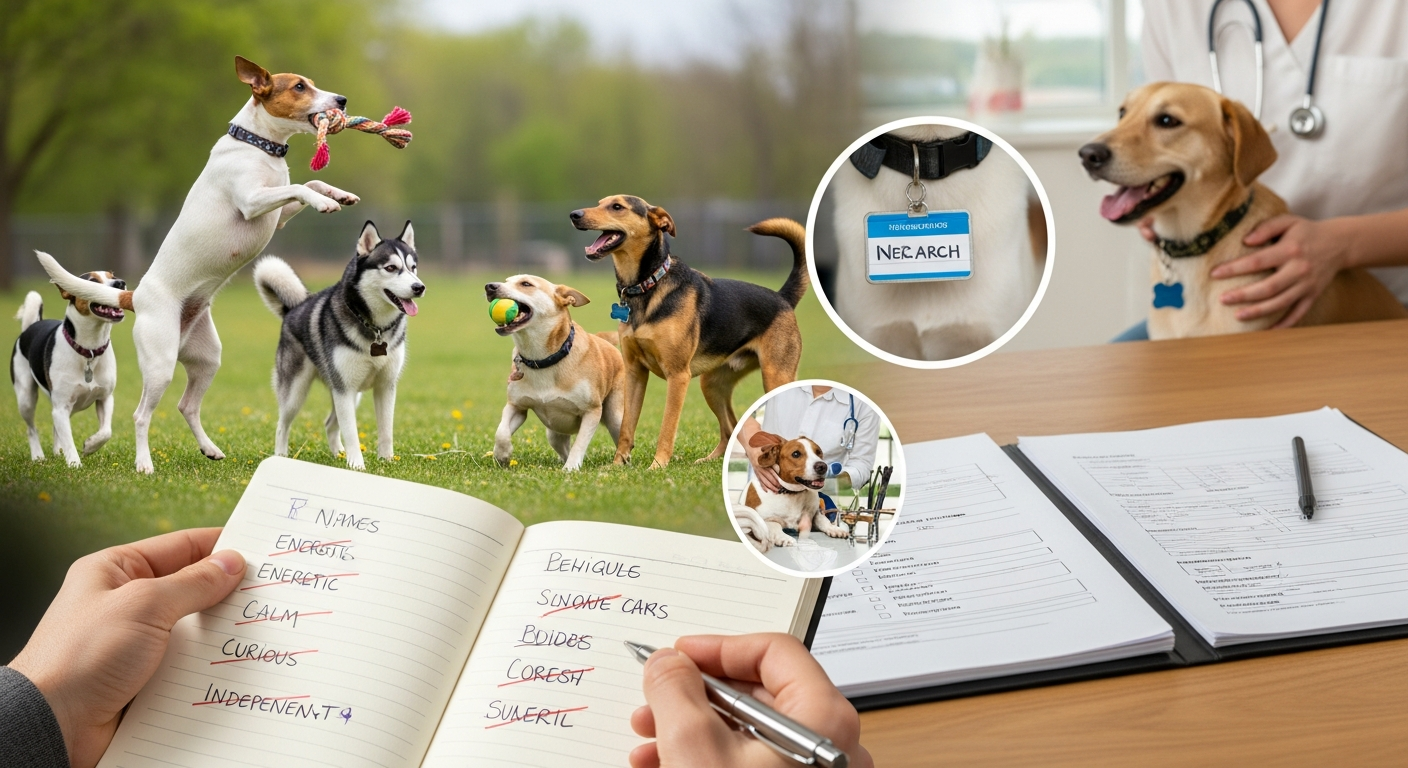
Observe, then name. Spend 48–72 hours watching how your dog meets new people, responds to noises, settles at home, and plays outside. Name from observable traits, not just breed lore. Keep a simple behavior journal: note energy levels at different times, social preferences, and unique quirks that emerge.
-
Use breed as a flavor, not the full recipe. A Husky with a silly, social temperament might be better named “Miso,” “Pixel,” or “Kona” than a heavy “snow-wolf” moniker. Consider subtle nods to heritage without overwhelming the individual personality.
-
Run a Fit Test: Ask, “Would I still choose this name if I discovered my dog was a different breed?” If no, you may be over-indexing on breed. This simple question reveals whether you’re naming the dog or the stereotype.
Try this and see the difference: Spend one day calling your dog by a breed-typical name, then try a personality-based name the next day. Notice how differently people (and you) respond to each version.
Key Insight: Ditch the Breed Stereotypes! Give your dog’s unique personality a chance to shine through their name.
2) Reinforcing Negative Stereotypes: “Killer” the Cuddly Rottweiler?
The mistake: Choosing names that play into aggressive or stigmatizing narratives—“Killer,” “Cujo,” “Beast,” or “Menace”—especially for bully breeds, Rottweilers, or German Shepherds.
Why it’s a problem: In the U.S., housing applications, homeowner’s insurance, and even dog park dynamics can be influenced by perception. A loaded name can raise eyebrows at apartment complexes with breed restrictions or at the vet when handling notes are made. It’s unfair—but it happens.
The American Pet Products Association’s 2023 survey revealed that 78% of renters face pet restrictions, with breed-specific limitations affecting nearly 40% of dog owners. While a name alone won’t change breed discrimination, it can influence that crucial first impression when meeting landlords, neighbors, or insurance agents.
Here’s an insider secret: Veterinary professionals admit that a dog’s name influences their initial approach during examinations. Dr. Sarah Wooten, a practicing veterinarian and veterinary journalist, explains that names suggesting aggression can unconsciously make staff more cautious, potentially affecting the quality of care and the dog’s stress levels during visits.
I’ve seen firsthand how a dog with a neutral name gets a pass, while another with a similar temperament but a “tough” name faces immediate judgment. One client’s gentle Rottweiler named “Brutus” consistently faced skeptical reactions, while their neighbor’s equally large mixed breed named “Maple” was welcomed everywhere.
Better approach:
-
Reframe strength positively. Names like “Atlas,” “Harbor,” “Mercy,” “Haven,” or “Noble” project steadiness and warmth without inviting stigma. These names suggest reliability and protection rather than aggression.
-
Don’t saddle shy dogs with macho names. If your strong-looking dog is gentle or nervous, reflect that in the name to help shape kinder interactions from strangers. A nervous Rottweiler named “Gentle” or “Sage” gets approached with appropriate energy.
-
Consider context. Therapy, service, or sport prospects benefit from names that suggest reliability rather than intimidation. Working dogs especially need names that inspire confidence in their abilities, not fear of their presence.
Game-changer tip: Test your name choice by imagining introducing your dog to a child, an elderly person, and a nervous dog owner. If any scenario feels uncomfortable, reconsider.
Key Insight: Positive Names, Positive Perceptions. A well-chosen name can help your dog make a great first impression and open doors rather than close them.
3) Ignoring Individual Variation: Naming Too Fast
The mistake: Naming by first impression or breeder description without validating who the dog becomes in your environment.
Why it’s a problem: Puppies and rescues bloom with time; the quiet dog on day one may become confident after decompression. Locking in a name too fast can misrepresent your dog’s emerging personality. The “two-week shutdown” period recommended by rescue organizations exists because dogs need time to show their true selves in a new environment.
Here’s what works: Even dogs from the same litter can develop wildly different personalities in different homes. Environmental factors—from the energy of household members to the presence of other pets—dramatically influence how a dog’s personality unfolds. A puppy who seems calm at the breeder’s busy facility might reveal high energy once settled in a quiet home, or vice versa.
Animal behaviorists note that stress can mask or exaggerate certain traits. A dog who appears hyperactive during the first few days might actually be anxious, while a seemingly lazy dog might just be overwhelmed. Professional dog trainer Patricia McConnell emphasizes that true personality assessment requires observing dogs in multiple contexts over several days.
Better approach:
-
Provisional naming period. Use a placeholder (“Buddy,” “Sweetie,” or even “Pup”) for a few days while observing. Then select a name that fits sustained traits. This approach prevents premature commitment while allowing the dog’s personality to emerge naturally.
-
Trait snapshots. Keep a simple list: “Warm with kids,” “Loves puzzles,” “Noise-sensitive,” “Loves water,” “Morning energy burst,” “Afternoon napper.” Choose names resonant with stable traits, not day-one nerves or excitement.
-
Context variety. Observe your dog in different situations: alone time, social settings, new environments, during meals, and during play. A complete picture emerges only through varied experiences.
What works: Create a simple daily log for the first week. Note energy levels, social responses, and unique behaviors. Patterns will emerge that inform a much better name choice than snap judgments.
Key Insight: Patience Pays Off! Take the time to get to know your dog before settling on a name—the extra days of observation will pay dividends for years to come.
Choosing the perfect name can be tough, but don’t give up! Here are more expert strategies to help you find the perfect fit that will serve both you and your dog well.
4) Overlooking Training-Friendly Sound Design: The “Ear-Test” Checklist
The mistake: Choosing names that conflict with common cues or are hard to shout and hear: “Kit” (sounds like “sit”), “Bo” (“no”), “Ray” (“stay”), “Nev” (“leave” shortened), or long, multi-syllabic names that blur in a busy U.S. dog park.
Why it’s a problem: Names are functional tools first, identity markers second. Poor phonetics slow recall, hamper classes, and reduce safety off-leash. Professional dog trainers consistently report that dogs with acoustically clear names learn faster and respond more reliably, especially in distracting environments.
The science of canine hearing reveals why this matters: dogs hear frequencies differently than humans and process consonants and vowels with varying clarity. Research from the University of Sussex shows that dogs respond most readily to two-syllable sounds with distinct vowel patterns and clear consonant breaks.
Better approach (Ear-Test Checklist):
-
Distinct from commands. Avoid names that rhyme with or sound similar to sit, stay, down, no, heel, leave, come, wait, or drop. Create a list of your most-used commands and test each potential name against them.
-
Two syllables, bright vowels. “Milo,” “Nova,” “Pippa,” “Ziggy” cut through noise effectively; plosives (P, K, T) and sibilants (S, Z) can boost clarity and grab attention. The combination of a soft first syllable and sharp second syllable often works exceptionally well.
-
Shout test + whisper test. Try the name in a park setting and from across your home. If it muddles or disappears, revise. Test during different times of day and in various acoustic environments—what works in a quiet house might fail at a busy dog beach.
-
Multi-dog households: Avoid overlap like “Milo” and “Nala” (similar vowel profile) or “Bella” and “Stella” (rhyming endings). Distinct rhythms and vowel patterns help dogs differentiate their individual call names.
Insider secret: Professional dog trainers often use the “parking lot test”—if you can’t clearly distinguish your dog’s name from 50 feet away in a noisy environment, it needs adjustment.
Key Insight: Sound Matters! Choose a name that’s easy to say and easy for your dog to hear, even in challenging acoustic environments.
5) Choosing Novelty Over Longevity: Will You Still Love It in 10 Years?
The mistake: Meme-based or “joke” names that wear thin—especially when mismatched to your dog’s enduring character or your future life phases.
Why it’s a problem: Names signal who your dog is to friends, trainers, vets, and landlords. Fads fade; your dog won’t. In the U.S., top names like “Luna,” “Bella,” and “Max” maintain popularity because they’re both accessible and enduring, while hyper-novel internet names may date quickly or become embarrassing in professional settings.
Consider the lifecycle of your relationship with your dog: puppy training classes, adult socialization, potential therapy work, senior care, and veterinary visits spanning a decade or more. A name that seems hilarious at eight weeks might feel inappropriate when your dog is working as a therapy animal or when you’re discussing serious health issues with specialists.
The American Kennel Club’s annual naming surveys show interesting patterns: while trendy names spike quickly, they also disappear rapidly from popular lists. Meanwhile, classic names with personal meaning to owners show remarkable staying power across generations.
Better approach:
-
Ten-Year Test. Will you enjoy saying this several times daily for a decade? Will you be comfortable using it in serious conversations with veterinarians, trainers, or when your dog is older and potentially facing health challenges? If not, keep searching.
-
Evergreen themes. Nature (Fern, Cedar, River), literary (Darcy, Scout, Atticus), musical (Billie, Bowie, Jazz), and virtue names (True, Mercy, Honor) age well because they connect to enduring human values and interests rather than temporary cultural moments.
-
Unique but stable. Tweak common forms to create distinctiveness without sacrificing longevity: Nova → Nola; Jasper → Jaro; Luna → Luma. This approach gives you individuality while maintaining broad appeal and easy pronunciation.
Try this approach: Imagine introducing your dog to your future grandchildren, or picture the name on a memorial marker someday. If either scenario feels uncomfortable, the name might be too trendy or inappropriate for the long term.
Key Insight: Think Long-Term! Choose a name that will stand the test of time and grow with your dog through all life stages.
6) Cultural Missteps and Hard-to-Pronounce Imports: Respect and Pronunciation
The mistake: Using sacred or sensitive terms from cultures you don’t belong to, or selecting names that are difficult for your U.S. community to pronounce, leaving your dog with a lifetime of miscalls.
Why it’s a problem: Names shape social interactions daily. If your dog’s name is consistently mispronounced at the vet, training class, or dog park, response suffers—and cultural insensitivity can unintentionally offend community members or create uncomfortable situations.
The globalization of pet naming has created wonderful opportunities to honor diverse cultures, but it’s also opened doors for unintentional appropriation. Names with religious significance, sacred meanings, or deep cultural weight deserve respectful consideration. Additionally, practical pronunciation matters: a beautiful name that no one can say correctly becomes a barrier to communication and training.
Better approach:
-
Respectful research. Verify meanings and cultural weight before choosing names from cultures outside your own. Consult native speakers when possible, and avoid names with religious or sacred significance unless you have a genuine connection to that tradition.
-
Phonetic practicality. If most Americans will struggle with the pronunciation, consider a close-sounding alternative or an easy nickname you’re comfortable using as the primary call name. The goal is honoring the original while ensuring functionality.
-
Cultural bridge names. Look for names that exist across cultures or have been naturally adopted into English usage. Names like “Koda,” “Mika,” or “Sasha” work internationally while being accessible to English speakers.
What works: When in doubt, choose names from your own cultural heritage or select internationally recognized names that don’t carry specific cultural weight. This approach avoids appropriation while still offering unique options.
Key Insight: Be Mindful and Inclusive! Choose a name that is respectful and easy for everyone in your community to use correctly.
7) Ignoring Role, Environment, and Regulations: Context is Key
The mistake: Picking a name that fights your dog’s job or lifestyle. Working, sport, and therapy dogs thrive with simple, distinct names; service dog handlers often prefer two-syllable, high-clarity names that won’t be confused in public settings.
Why it’s a problem: In real-world U.S. settings—AKC events, therapy evaluations, apartments with breed discussions, professional training environments—your dog’s name is part of their professional presentation and functional toolkit.
Different roles demand different naming considerations. Therapy dogs need names that put people at ease and are easy for children and elderly individuals to remember and pronounce. Sport dogs require names that cut through crowd noise and don’t interfere with commands or other competitors. Service dogs benefit from names that are professional, clear, and don’t draw unwanted attention.
Better approach:
-
Working clarity. Choose crisp names for sport or service contexts (“Kilo,” “Tessa,” “Rook,” “Sage”). Avoid names that mimic cues or sound similar to other team dogs. Consider the acoustic environment where your dog will work most often.
-
AKC vs. call name strategy. You can register a longer, more formal AKC name while using a short, functional call name daily. For example, “Kensington’s Midnight Thunder” can be “Koda” in everyday use. Keep the call name practical and training-friendly.
-
Public perception management. If your building or insurer scrutinizes certain breeds, avoid names that trigger fear or negative associations. You shouldn’t have to navigate this bias, but strategic naming can reduce friction and focus attention on your dog’s actual behavior and your responsible ownership.
Game-changer approach: Match the name’s “energy” to your dog’s role. Therapy dogs benefit from calming, approachable names; agility dogs can handle more energetic names; service dogs need professional, memorable names.
Key Insight: Functionality First! Tailor the name to your dog’s lifestyle and role, ensuring it supports rather than hinders their success.
8) Skipping Practical and Digital Realities: The Tag and Tech Test
The mistake: Choosing names that are hard to read on tags, impossible to search on microchip portals, or that collide with voice assistants and smart-home devices.
Why it’s a problem: In the U.S., you’ll share your dog’s name across vet portals, city licensing systems, microchip registries, pet insurance claims, and increasingly, smart home devices. Clarity, uniqueness, and digital compatibility matter more than ever.
Modern pet ownership involves significant digital interaction. Veterinary practices use voice-to-text systems for notes, microchip companies maintain searchable databases, and many owners use voice commands with smart devices while also calling their dogs. A name that creates confusion in any of these systems becomes a daily frustration.
Better approach:
-
Tag visibility optimization. Shorter names print larger and more legibly on ID tags; consider using a nickname on the tag even if the full name is longer. Test readability in various lighting conditions and at the distance someone would read a tag on a moving dog.
-
Digital searchability. If social media presence matters to you, check for manageable handle availability. “ArloTheJRT” beats “Arlo_______123” for memorability and professionalism. Consider how the name will appear in vet software, insurance databases, and city licensing systems.
-
Smart device conflict check. If you use voice assistants (“Alexa,” “Siri,” “Hey Google”), avoid names that constantly trigger devices or sound similar to activation phrases. Test this in your actual home environment with your specific devices.
-
Spelling simplicity. Choose names with intuitive spelling to avoid constant corrections at vet visits, training classes, and licensing appointments. “Phoebe” might be beautiful, but “Fifi” is more straightforward for database entry.
Try this: Before finalizing a name, test it across all the systems you’ll actually use: say it near your smart devices, imagine spelling it over the phone to a vet receptionist, and picture it on a small ID tag.
Key Insight: Think Practically! Consider the everyday logistics of using and sharing your dog’s name across all the digital and physical systems in modern pet ownership.
From Insight to Implementation: A Naming Method That Fits the Dog, Not the Stereotype
Use this simple, expert-approved framework to convert what you learn about your dog into a durable, training-friendly name. Think of it as the “S.M.A.R.T.” method for dog names—Strategic, Meaningful, Acoustic, Respectful, and Timeless.
Step 1: Observe (48–72 Hours)
Create a comprehensive picture of your dog’s individual personality through systematic observation:
-
Energy patterns in context: Are they active on walks but calm indoors? Do they have specific high-energy periods? A Jack Russell Terrier might be laser-focused during training but completely cuddly during evening TV time.
-
Social style assessment: Slow-to-warm, enthusiastic greeter, or selective with their affections? How do they respond to children, adults, other dogs, and strangers?
-
Environmental sensitivities: Note reactions to noise, handling, novelty, weather changes, and different spaces. These traits often persist and should influence name choice.
-
Primary motivators: What drives them? Toys, food, praise, scent work, physical affection, or mental challenges? Understanding motivation helps predict long-term personality.
-
Unique quirks: Every dog has individual characteristics that set them apart. These often make the best naming inspiration.
Step 2: Map Traits to Sound and Story
Transform observations into name characteristics:
-
Sound mapping: Choose two syllables with bright vowels if recall matters. Soft consonants (M, N, L) work well for gentle, sensitive dogs; crisp consonants (K, T, P) suit dogs who need clear, attention-getting cues for lively responsiveness.
-
Story development: Pick a theme that honors the individual dog without stereotyping the breed. Consider personal interests (hiking → “Sierra”), nature connections (“Cedar,” “River”), creative pursuits (“Pixel,” “Jazz”), or character virtues (“True,” “Brave,” “Sage”).
-
Cultural resonance: Choose names that reflect your family’s values, interests, or heritage rather than generic breed associations.
Step 3: Test Rigorously
Put potential names through comprehensive testing:
-
Command collision test: Say the name next to all your planned commands: sit, stay, down, no, come, leave, heel, wait, drop. Listen for any similarity that could cause confusion.
-
Context testing: Try the name at a busy dog park, in an apartment hallway, at a vet’s office, and during training. Ask a professional trainer to repeat it back—if they mishear it consistently, consider a revision.
-
Longevity assessment: Run the Ten-Year Test. Picture using this name in all contexts throughout your dog’s life.
-
Social testing: Introduce the name to friends, family, and strangers. Notice their reactions and any pronunciation difficulties.
Step 4: Iterate and Refine
Fine-tune your choice for maximum effectiveness:
-
Nickname development: Build in a nickname path that doesn’t break recall training. “Nova” → “Vee” works well; “Nova” → “Nono” creates confusion with the “no” command.
-
Multi-dog harmony: If you have multiple dogs, ensure each name has a distinct rhythm, vowel pattern, and overall sound profile to prevent confusion.
-
Professional consultation: Consider asking a professional dog trainer or behaviorist to evaluate your final choice, especially if your dog will be involved in working, sport, or therapy activities.
Case Studies: Huskies and Jack Russell Terriers Without the Stereotypes
Siberian Husky: From “Wolf” to “Wonderful Individual”
Common stereotype approach: “Wolfy,” aloof, snowbound athlete. Names trend toward “Blizzard,” “Ghost,” “Lobo,” “Nanook,” or “Storm.”
Individual-first approach: Suppose your Husky is goofy, affectionate, vocal, and loves puzzle toys. You want a name that captures playfulness and intelligence while training cleanly.
Observation notes: Silly play style, loves meeting new people, “talks” constantly, excellent problem-solver, enjoys both indoor and outdoor activities, gentle with children.
Sound mapping: Two syllables, bright vowels, distinct from commands like “no” or “stay.”
Story mapping: Playfulness and intelligence over wolf imagery; perhaps a light nod to Northern roots without overwhelming the individual personality.
Name ideas that work: “Miso” (playful, food-related, easy to say), “Yuki” (snow connection but soft and friendly), “Pixel” (tech-savvy, puzzle-solver), “Nori” (nature-inspired, distinctive), “Echo” (vocal nature, clear sound), “Tango” (energetic, dance-like playfulness), “Fable” (storytelling, vocal nature).
Final choice rationale: “Echo” captures the vocal nature, has excellent acoustic properties for recall, ages well, and reflects the individual dog’s most distinctive trait without relying on breed stereotypes.
Jack Russell Terrier: From “Chaos” to “Clever Companion”
Common stereotype approach: High-octane, chaotic, “small dog, big drama.” Names trend toward “Rocket,” “Turbo,” “Rascal,” “Bandit,” or “Trouble.”
Individual-first approach: Your JRT is athletic and smart with puzzle toys, excellent at agility, but also calm and focused during training sessions—less chaos, more competence.
Observation notes: Quick learner, loves mental challenges, excellent focus during training, athletic but controlled, friendly with strangers, calm indoors, energetic but purposeful outdoors.
Sound mapping: Crisp consonants for snappy recall in agility or park play, clear vowels that cut through noise.
Story mapping: Intelligence, agility, and purposeful energy rather than “troublemaker” branding.
Name ideas that work: “Widget” (small, useful, clever), “Pixel” (small but important, tech-savvy), “Kiko” (energetic, international appeal), “Flick” (quick, agile movement), “Rook” (chess piece, strategic thinking), “Quinn” (unisex, strong sound), “Sprocket” (mechanical precision), “Indy” (independent, adventurous but controlled).
Final choice rationale: “Rook” suggests strategic thinking and intelligence, has excellent acoustic properties, works well in agility contexts, and reflects the dog’s thoughtful approach to challenges rather than stereotypical terrier “wildness.”
Names That Respect Breed Without Boxing In Personality
Drawing gentle inspiration from breed heritage can be thoughtful—just keep it individual-first and avoid overwhelming stereotypes:
Herding breeds (Border Collie, Australian Shepherd, German Shepherd): “Rook,” “Tess,” “Flint,” “Skye,” “Brio,” “Sage,” “River,” “Scout” (intelligence and purposeful energy without the “obsessive” label).
Sled/Northern breeds (Husky, Malamute, Samoyed): “Iko,” “Sora,” “Niko,” “Mika,” “Kona,” “Aspen,” “Cedar,” “Vale” (fresh, friendly, outdoorsy without being all snow and cold references).
Terriers (Jack Russell, Cairn, West Highland White): “Pip,” “Frey,” “Zuri,” “Jinx,” “Koda,” “Wren,” “Finn,” “Sage” (clever, compact, spirited without implying troublemaking).
Guardian breeds (Rottweiler, Mastiff, Great Pyrenees): “Harbor,” “Noble,” “Rowan,” “Atlas,” “Vera,” “Sage,” “Haven,” “Vale” (steady, trustworthy, protective without being threatening).
Retrievers (Labrador, Golden, Chesapeake Bay): “Sunny,” “Harbor,” “Maple,” “Wren,” “Jasper,” “River,” “Scout,” “Sage” (friendly, outdoorsy, reliable).
Sight hounds (Greyhound, Whippet, Italian Greyhound): “Swift,” “Grace,” “Poet,” “Sage,” “Willow,” “Zara,” “Finn,” “Vale” (elegant, gentle, athletic without emphasizing only speed).
U.S.-Specific Realities That Affect Naming
Understanding the American context helps you choose names that work smoothly in daily life:
Housing and HOA dynamics: Some U.S. landlords and homeowners associations scrutinize certain breeds due to insurance requirements or personal biases. While a name cannot change breed discrimination, avoiding aggressive-sounding names can smooth first impressions during apartment tours, meet-and-greets with neighbors, and housing application processes.
Insurance and veterinary records: Your dog’s name appears in medical records, insurance documents, and legal paperwork. Clear, non-inflammatory names help keep focus where it belongs: on health, behavior, and your responsible ownership rather than preconceived notions about aggression or difficulty.
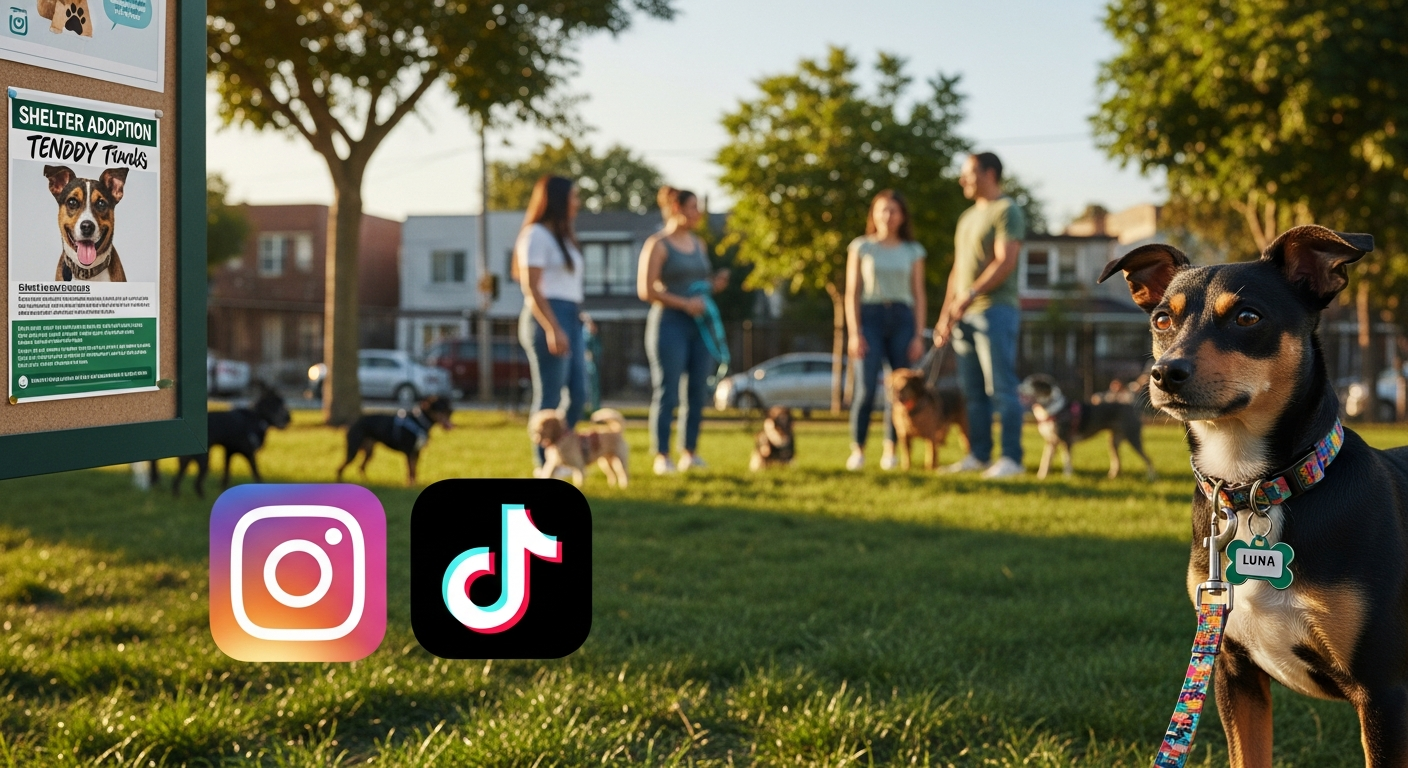
Training classes and dog parks: Short, distinct names reduce confusion in group settings where multiple dogs may share popular names like “Luna,” “Bella,” or “Max.” Consider a less common option or develop a unique nickname you consistently use to avoid the “five dogs turning around” problem.
Working and therapy evaluations: Professional evaluators appreciate names that are easy to say, remember, and spell correctly in reports. This supports smooth handling, professional presentation, and clear communication among team members.
Regional considerations: Different parts of the U.S. have varying cultural sensitivities and pronunciation patterns. A name that works perfectly in cosmopolitan areas might face challenges in regions with different linguistic backgrounds or cultural expectations.
Practical Tools: The Name Triad
Use this quick framework to sanity-check any shortlist and ensure your final choice meets all essential criteria:
Sound (Acoustic Function): Two syllables, high contrast vowels and consonants, command-safe, clear at distance, works in your regional accent and pronunciation patterns.
Signal (Social Function): What the name signals to strangers (friendly, steady, clever, reliable) should match your individual dog’s personality—not a breed stereotype or your wishful thinking about who they might become.
Story (Personal Function): A meaningful connection for you that won’t embarrass future-you at the vet, in training classes, or when introducing your dog to neighbors, colleagues, or family members.
Put It All Together: A Sample Naming Workflow
Follow this day-by-day process to ensure thorough evaluation and the best possible choice:
Day 1–3: Systematic Observation
- Observe calmly without pressure to decide
- Note patterns, not isolated moments or first impressions
- Record three stable traits that appear consistently
- Test the dog in different environments and situations
- Keep a simple behavior log
Day 3: Initial Shortlist Development
- Build a shortlist of 5–10 names mapping to observed traits
- Check all names against command collisions
- Test acoustic clarity with family members
- Research any cultural or linguistic considerations
Day 4: Real-World Testing
- Shout test at the local park or in your yard
- Whisper test from across your home
- Ask friends or family to repeat what they heard
- Remove any names that caused confusion or mispronunciation
Day 5: Long-Term Assessment
- Run the Ten-Year Test for each remaining option
- Complete the Perception Check: Would this name unfairly shape how others treat my dog?
- Consider professional contexts if relevant (therapy work, competitions, etc.)
- Narrow to top 2-3 choices
Day 6: Final Decision and Implementation
- Decide on primary name and recall-friendly nickname if desired
- Update ID tag, microchip registration, and veterinary records consistently
- Begin using the name consistently in all contexts
- Monitor your dog’s response and make minor adjustments if needed
Advanced Naming Strategies for Special Situations
Multi-dog households: Create a naming system that prevents confusion. Use different vowel patterns (Milo and Sage rather than Milo and Nilo), different syllable counts, and distinct rhythmic patterns. Test all names together to ensure clear differentiation.
Working dog considerations: Service dogs, therapy dogs, and sport dogs have specific naming needs. Prioritize clarity, professionalism, and acoustic function over creativity. Avoid names that might be confused with equipment terms, location names, or common commands in your specific field.
Rescue dog renaming: Dogs can learn new names at any age, but the transition requires patience and consistency. Use positive association training, gradually phase out the old name if you know it, and be prepared for a 2-4 week adjustment period.
Breeding and showing considerations: If you plan to breed or show your dog, consider how the name will work in formal contexts. AKC registered names can be longer and more elaborate, but your call name should still meet all the practical criteria discussed above.
Frequently Asked Questions
Question 1: Is it a mistake to name my dog based primarily on breed stereotypes?
Yes—treating breed as destiny is one of the biggest naming missteps you can make. Large-scale U.S. studies, including the comprehensive 2022 research published in Science, indicate breed explains only about 9% of individual personality differences, with environment, training, and individual experience accounting for the majority of behavioral traits.
If you name solely from breed lore (e.g., “Chaos” for a Jack Russell Terrier or “Lobo” for a Husky), you risk mislabeling your dog and shaping unhelpful expectations in training sessions, social situations, and public spaces. This can create a self-fulfilling prophecy where people treat your dog according to the name’s implications rather than the dog’s actual temperament.
Use breed characteristics as a soft influence—perhaps considering size-appropriate names or subtle nods to heritage—but let your dog’s actual observed behavior be the primary guide. The most successful dog-owner relationships begin with seeing the individual first, breed second.
Question 2: What’s wrong with tough-sounding names for strong breeds?
Names like “Killer,” “Rage,” “Beast,” or “Menace” can reinforce negative stereotypes and create unnecessary barriers, especially for bully breeds, Rottweilers, German Shepherds, or other dogs already facing breed discrimination. In the U.S., perception significantly impacts practical realities: apartment applications, homeowner’s insurance discussions, veterinary visits, and dog park interactions.
Research shows that names influence first impressions and can affect how people approach and interact with your dog. A name suggesting aggression can make strangers more cautious, potentially limiting your dog’s socialization opportunities and creating stress in routine situations.
Instead, choose names that signal strength through positive qualities: “Atlas” suggests reliable strength, “Harbor” implies safety and protection, “Noble” conveys dignity and trustworthiness. These names acknowledge your dog’s impressive presence without inviting fear or prejudice.
Question 3: Can a name really affect training and recall?
Absolutely. Names function as the primary cue your dog learns to respond to, making acoustic clarity crucial for effective communication. If a name sounds like a common command (“Kit”/“sit,” “Bo”/“no,” “Ray”/“stay”) or gets lost in environmental noise, your recall training suffers significantly.
Professional dog trainers consistently report that dogs with acoustically clear names learn faster and respond more reliably, especially in distracting environments like dog parks, training classes, or emergency situations. The University of Sussex research on canine hearing confirms that dogs process certain sound patterns more effectively than others.
Two-syllable names with bright vowels and clear consonants typically perform best in group classes and busy environments. Always conduct both a shout test (can you call the name clearly from a distance?) and a whisper test (does it carry in quiet situations?) before finalizing your choice.
Question 4: How long should I wait before choosing a final name for a rescue or puppy?
Give yourself 48–72 hours minimum to observe your dog’s personality in your specific environment. Dogs need time to decompress and show their true temperament, especially rescues who may be stressed or overwhelmed initially. The “two-week shutdown” period recommended by rescue organizations exists because significant personality traits often don’t emerge until dogs feel secure.
A provisional name works fine during this observation period—use something simple like “Buddy,” “Sweetie,” or “Pup” that won’t interfere with training if you need to change it. Once you identify stable, consistent traits that appear across different situations and times of day, you can confidently select a name that truly fits.
After choosing the final name, update all official records (microchip, veterinary files, city license) promptly to avoid confusion and ensure consistency across all systems.
Question 5: Is it okay to use a culturally specific or foreign-language name?
Yes, when done respectfully and thoughtfully. Research meanings thoroughly and avoid sacred terms, religious names, or culturally sensitive words from traditions you don’t belong to. The goal is appreciation, not appropriation.
Also consider pronunciation practicality in your U.S. community. If most people will struggle with correct pronunciation, your dog’s training and social interactions may suffer. Consider selecting a phonetically friendly variant or developing an easy nickname as the primary call name while keeping the full name for formal use.
Names that exist across cultures or have been naturally adopted into English usage often work well—options like “Koda,” “Mika,” “Sasha,” or “Kai” offer international flair while remaining accessible to English speakers.
Question 6: Should I choose a popular name or something unique?
Both approaches have merits, but functionality should guide your decision. Popular names like “Luna,” “Max,” or “Bella” are popular because they work well acoustically and age gracefully, but they may cause confusion in group settings like dog parks or training classes.
Unique names help your dog stand out and respond more reliably in crowded situations, but avoid choosing something so unusual that it becomes difficult to pronounce, remember, or spell. The sweet spot is often a less common name that still feels familiar and comfortable to most people.
Consider your lifestyle: if you frequent busy dog areas, uniqueness helps; if you prefer simplicity and broad appeal, popular names work fine. You can also create uniqueness through spelling variations or nickname development from classic names.
Question 7: Can I change my dog’s name if I realize I made a mistake?
Yes, dogs can learn new names at any age, though the process requires patience and consistency. Use positive association training: say the new name and immediately reward with treats, praise, or play. Gradually phase out the old name over 2-4 weeks.
Adult dogs and seniors may take longer to adjust than puppies, but most dogs adapt successfully with consistent practice. The key is making the new name predict good things and using it in all positive interactions until it becomes strongly associated with attention and rewards.
If you’re considering a change, do it sooner rather than later—the longer a dog has used one name, the more training time you’ll need to establish the new one.
Question 8: How do I handle family disagreements about the name choice?
Naming disagreements are common and can be resolved through structured decision-making. Start by establishing criteria everyone agrees on: training functionality, appropriateness for your lifestyle, and reflection of the dog’s actual personality.
Create a family shortlist where each person contributes 2-3 options that meet the agreed criteria. Test all names using the acoustic and practical guidelines in this article, then vote on the finalists. Sometimes the testing process naturally eliminates options that don’t work well in practice.
Remember that the person who will use the name most often (primary trainer, caregiver) should have significant input in the final decision, as they’ll be responsible for making it work in daily training and care situations.
Key Takeaways
Don’t overgeneralize breed traits. Breed provides helpful context about potential characteristics, but individual personality varies dramatically within breeds. Use breed information as a starting point, not a complete personality profile.
Avoid reinforcing stereotypes—especially negative ones. Names shape perception at home, in training environments, and throughout U.S. public life. Choose names that open doors rather than create barriers for your dog.
Prioritize training-friendly phonetics. Clear, two-syllable names with distinct sounds are reliably effective for recall, training, and safety. Test acoustic clarity in real-world environments before finalizing your choice.
Choose longevity over novelty. You and your dog will live with the name for years; pick one that ages well and works across all life stages, from puppyhood through senior years.
Respect culture and practicality. Aim for names that are pronounceable, respectful, and easy to manage across ID tags, microchips, veterinary portals, and daily social interactions.
Observe before naming. Spend adequate time watching your dog’s individual personality emerge before committing to a name. The extra observation time pays dividends in choosing a name that truly fits.
Test thoroughly. Use the comprehensive testing approach outlined in this article to ensure your chosen name works acoustically, socially, and practically in your specific environment and lifestyle.
Consider context and role. Match naming choices to your dog’s intended activities, living situation, and the social environments they’ll navigate throughout their life.
Final Word
Great dog names do more than sound appealing—they work hard for you and your dog every single day. When you’re tempted to name from breed stereotypes or a first-glance personality snapshot, pause and invest in the observation and testing process outlined here.
The most successful naming approach treats your dog as an individual first, considers breed characteristics as helpful context, and prioritizes functional clarity over clever concepts. Whether you share life with a Siberian Husky, a Jack Russell Terrier, or a mystery rescue mix, the winning strategy remains consistent: observe carefully, test thoroughly, and name the unique dog in front of you.
Your dog’s name will be spoken thousands of times over their lifetime—in moments of joy, training, concern, and love. Choose one that honors who they truly are, works beautifully in your daily life, and creates positive connections with everyone you meet. The extra time and thought you invest in this decision will pay dividends in training success, social interactions, and the deep satisfaction of knowing you’ve given your dog a name that truly fits.
Remember: there are no perfect names, only names that work well for your specific dog in your specific life. Trust the process, observe carefully, test thoroughly, and choose confidently. Your dog is counting on you to get this right—and with the tools and insights in this article, you absolutely can.
Sources
- American Kennel Club Breed Information and Naming Guidelines
- Morrill, K., et al. “Ancestry-inclusive dog genomics challenges popular breed stereotypes.” Science, 2022
- University of Sussex Animal Cognition Research on Canine Hearing and Response Patterns
- American Pet Products Association National Pet Owners Survey 2023-2024
- Association of Professional Dog Trainers Training and Naming Best Practices

![Expert guide: The 5 Game-Changing Tips That Actually Work: Naming Your Dog for Success [2025] - Related article](https://kkvwzwmtnwoewxanoyzg.supabase.co/storage/v1/object/public/images/images/batch/batch-1762683115480-the-5-game-changing-tips-that-actually-work-naming.jpg)
![Expert guide: The 13 Game-Changing "Should You Rename Your Dog?" Tips That Actually Work [2025] - Related article](https://kkvwzwmtnwoewxanoyzg.supabase.co/storage/v1/object/public/images/images/batch/batch-1762682912681-the-13-game-changing-should-you-rename-your-dog-ti.jpg)