Transcription Audio
Why Dog Naming Trends Are So Influential—and How They Shape Owner Choices in the United States
9 novembre 2025
Listen to audio:
Transcript Text
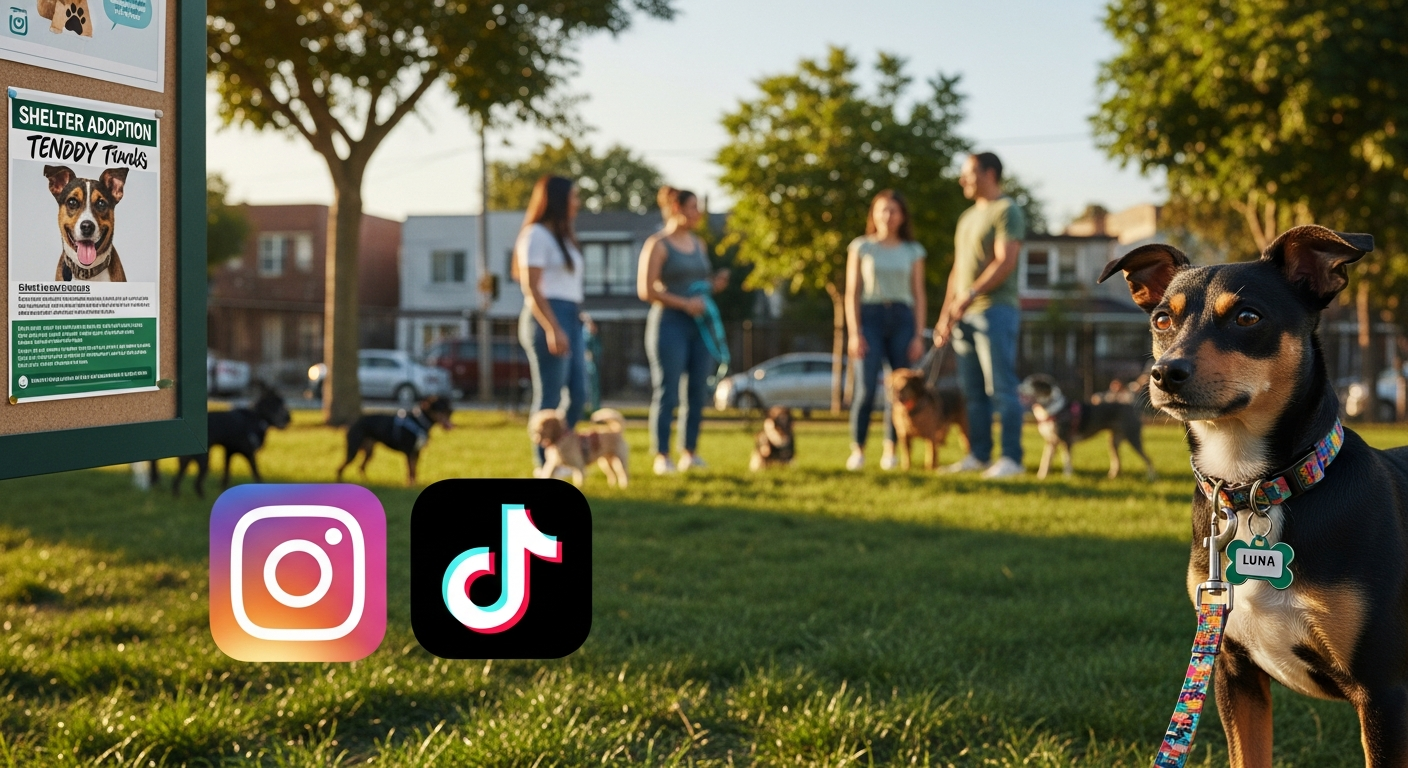
Hello and welcome. Today we’re diving into something that sounds light but reveals a lot about how we live, connect, and even train our pets: how dog naming trends shape choices across the United States. Here’s the headline most folks miss: the average owner spends less than fifteen minutes choosing a name a dog will carry for a decade or more. That quick choice lives inside a web of social psychology, cultural currents, and digital amplification. Names ride the waves of what we see, hear, and what earns a thumbs-up from our communities. How a trend takes hold: a TV character explodes, an athlete hits a milestone, a celebrity posts their pup. The name spikes, floods your feed, pops up in shelter listings, and suddenly you’re asking if your new puppy looks like a Loki, a Mando, or a Maple. There’s a feedback loop at work—cultural moment, visibility, community approval, repeat—until the dog park sounds like a roll call of the same ten names. Social scientists point to two norms. Descriptive norms are what people actually do—hearing Luna, Bella, or Max five times makes them feel safe and “normal.” Injunctive norms are what people approve of—trainers praise short, crisp names; daycare staff love easy roll calls; your vet smiles at clever but simple. Add the availability heuristic—our brain favors what’s easy to recall—and you get social proof cascades. See a cluster of Goldens named Cooper, and your brain quietly tags Cooper as “the” name for that kind of dog. That’s how breeds seem linked to certain names, even though genetics have nothing to do with it. Here’s the empowering part. Once you recognize the machinery—visibility, approval, repetition—you can ride the wave or step just to the side. You’re not at the mercy of the trend; you can use it strategically. Where do names come from? In the U.S., the pipelines are predictable: - Pop culture. A blockbuster show or franchise can triple a name for a season: Arya, Khaleesi, Loki, Mando. - Sports. Kobe, Brady, Maverick, Dodger spike during championship runs or retirements. - Celebrity pets. A star’s new dog gives a name social currency; shelters see regional bumps two to three months later. - Humanization of pets. Baby name trends land on dog tags: Luna, Oliver, Milo, Hazel, plus fast-growing gender-neutral picks like River, Scout, Sunny, Phoenix. - Food and aesthetic microtrends. Mochi, Boba, Matcha, Taco, Maple, Juniper, Willow map to coffee culture, cottagecore, and artisanal everything, often clustering by region. - Regional pride. Rainier in Seattle, Ranger in Texas, Liberty, Harbor, Dakota—place-based signals that spark conversation. When a name sits at the intersection—popular for babies, backed by a beloved character, easy to shout—it becomes self-sustaining. That’s why Luna has ruled: short, melodic, familiar, fitting a thousand vibes. Data patterns show where pet culture is heading: - Consolidation at the top. A small set of names—Luna, Bella, Max, Charlie, Cooper, Milo—can cover roughly fifteen percent of dogs in some metros. - Human-first names on the rise. Walter, Betty, Henry, Millie—vintage with a wink. - Pop culture surges are real. Names spike after releases, then settle into a long tail. - Gender-neutral growth is steady and strong. - The classic “dog name” is fading. Rover and Spot are museum pieces. Naming now signals personal brand and belonging. Underneath it all: your dog’s name is a tiny biography about you. It signals taste, humor, aspiration, nostalgia, values, and the communities you claim. Are you the outdoorsy Juniper person? The brainy Obi person? The cozy Maple person? Pick a name and you’ve tipped your hand. Now, how to choose well—something that fits your dog, your life, and our very online culture. Use this simple framework: sound, distinctiveness, meaning, longevity, community, and digital life. Sound. Two syllables or a crisp three is the sweet spot. Hard consonants like K, T, P and clear vowel endings cut through noise—Kit, Piper, Tobi, Nova. Avoid rhymes with commands. If you use sit, skip Kit. If you use no, think twice about Bo. Do the shout test: open a window and call it three times. If it feels awkward or muddled, keep searching. Distinctiveness. The best name is the one your dog knows is theirs. If your park already has two Coopers and a Charlie, go adjacent, not identical—Carter instead of Cooper, Miko instead of Milo. Ask your daycare or trainer what names they hear most and steer clear. Meaning. You’ll say this name tens of thousands of times. Pick something that makes you smile. Honor a place, a mentor, a book, a flavor, a season. Tiny story, big payoff. Every time you explain it, you share a piece of yourself. Longevity. Will it age well? Hyper-topical memes fade fast. A subtle nod outlasts a punchline. If Loki is everywhere, try Sylvie, Odin, or a non-Marvel mischief nod like Puck. Community. Match your circle’s norms. Advanced training group? Aim for punchy. Therapy dog vibe? Choose soft and friendly. Apartment building with five dogs in one elevator? Uniqueness skyrockets. Digital life. If you’ll run an Instagram, consider how the name looks, sounds, and spells. If not, you’ll spend a decade saying, “Two f’s and a y.” If you want trend-savvy without copycat, try this: - Pick near the bullseye of a trend, not the center. If Willow is everywhere, consider Wren, Winter, or Wynn. - Map a microtrend to your locality. Coffee city? Cortado over Mocha. - Love a fandom? Choose a side character or setting—Hoth, Kessel, Arwen, Baggins—rather than the headliner. - Flip expectations based on breed. A massive dog named Daisy is charming. A tiny dog named Titan is memorable. Adopting and renaming? If your dog already answers to a name, evolve it with a bridge. Rosie to Rhea becomes Rosie-Rhea for a week, then Rhea-Rosie, then Rhea. Pair the new name with great things—treats, play, praise—so it predicts good outcomes. Most dogs transition in a couple of weeks. If the old name has baggage or you don’t know it, a fresh start is a gift. Training matters, because names aren’t just labels; they’re cues. Keep the name separate from commands. Say the name once, pause, then cue: Piper—come. Nova—down. Reinforce that head-turn toward you when they hear their name; it becomes gold in busy environments. Test the name at the doorway, in the hallway, at the park, next to the blender. If it cuts through chaos, you’ve got a winner. A few pitfalls to skip. Names that rhyme with commands. Names you’d be embarrassed to yell across a stormy field. Names with baggage in your family or community. Names so clever they’re hard to pronounce or spell. Clarity beats clever when you need a response. Here’s the takeaway. Trends don’t have to boss you around. They can inspire you. Treat them as a menu, not a mandate. Choose the name that tells your story, fits your dog’s personality, and works in your real environments—home, neighborhood, park, and feed. You’ll feel the soft pressure of what’s popular, and that’s okay. Decide whether to lean in or step just to the side—on purpose. If you’re choosing right now, here’s your quick checklist. Two to three syllables, crisp consonants, no command rhymes. Unique in your daily routes. A meaning you love. Likely to age well. Something you’re proud to say a thousand times. Try three names for a day each, do the shout test, watch your dog’s response, and notice which one makes you smile without thinking. That’s usually the one. Alright, go name that dog with confidence. And if your household already has a Luna or a Cooper, no shade—those names are popular for a reason. Give them a scratch behind the ears from me, and I’ll talk to you next time.